
Casino Games Odds Comparison: An Australian Numbers Walk

Punters across the Illawarra – from the WIN Entertainment Centre crowd in Wollongong to mates having a wager at Thirroul – reckon the same question matters most before any bet: which casino game gives them the best shot? I’ve spent years at The Coingaming Group analysing iGaming data, and the honest answer is messier than most comparison tables suggest. Most reference sources like wanteddeadorawildau.com can point you to raw return-to-player figures, though the deeper conditions often get glossed over. House edge, volatility, and rule variants all shift the dial more than beginners realise.
Where the House Edge Actually Lives
Any honest casino games odds comparison starts with the cut the venue keeps across thousands of spins or hands. Blackjack with sound basic strategy sits near 0.5%, while European roulette clocks in around 2.7%. Craps swing wildly by bet type, with pass line near 1.4% and proposition bets climbing past 11%. These figures assume perfect rules: surrender available, decks cut fairly, and a single-zero wheel.
A few specific conditions quietly chip away at those headline numbers:
- Six-deck blackjack with no surrender and a 6:5 natural payout lifts the edge from 0.5% to roughly 1.8%
- American roulette adds a double-zero pocket, pushing the house cut from 2.7% to 5.26%
- Craps ‘any seven’ bets pay tempting 4:1 but hold over 16% edge
- Three-card baccarat side bets (dragon bonus, perfect pair) exceed 6% edge
Volatility adds a second layer pure house edge can’t capture. A 96% RTP slot with high variance can hand you a brutal losing streak that feels worse than a 94% low-volatility game, even though the maths technically favours the first. Baccarat’s banker bet holds close to 1.06%, yet ten-loss streaks aren’t rare. Punters walking into Crown expecting baccarat to behave like coin-flip maths quickly learn otherwise.
Side-by-Side Across the Major Categories
The clearest way to make sense of a casino games odds comparison is to lay the major categories against the same ruler. The table below covers the bet most recreational players default to on each format, including the spread of edges you’d find in licensed Australian venues and reputable offshore platforms. From my analytics work at The Coingaming Group, I’d tell you to scout the rule sheet before sitting down – Crown Melbourne and The Star Sydney don’t all run identical blackjack decks.
| Game | Typical Bet | House Edge | Volatility |
|---|---|---|---|
| Blackjack (single-deck, full rules) | Main hand | 0.5% | Low |
| European Roulette | Red/Black | 2.7% | Medium |
| American Roulette | Red/Black | 5.26% | Medium |
| Baccarat | Banker | 1.06% | Low |
| Craps | Pass Line | 1.41% | Medium |
| Online slots (high-quality) | Per spin | 3-5% | High |
| Three-Card Poker | Ante/Play | ~2.0% | Medium |
| Keno | Per ticket | 25-30% | Very high |
Even within a single category, the numbers flex. A European roulette table pays 35:1 on a single number; an American table pays the same, but the wheel has 38 pockets instead of 37, silently adding that 2.5% gap. Online slots live by their published RTP – a 92% and a 97% title might look identical until you check the paytable, and that’s before you factor in bonus buy mechanics, which usually pull the long-run edge back up by 1-3%. A casino games odds comparison without those caveats just lists marketing percentages, not real conditions.
Bond Films, Baccarat Tables, and What Players Actually Notice
There’s a reason the casino floor keeps showing up in films like GoldenEye, Casino Royale, and Dr. No – directors know a quiet card game reads better on camera. The baccarat hands Bond plays in that 1995 GoldenEye sequence still shape how Aussie audiences picture high-stakes gambling, even though the banker bet carries roughly 1.06% house edge.
Real casino floors rarely feel that elegant. They feel as busy as a Saturday Bunnings sausage sizzle line at peak arvo, full of distractions and side games you didn’t plan to play. Pace matters more than carpet pattern – live dealer tables run roughly 60 hands an hour, while an automated slot spins three to four times faster.
A $10 blackjack hand played for two hours at 0.5% edge costs roughly $5 in expected loss, while 600 spins at $0.50 on a 96% RTP slot costs about $12 – almost 2.5x more in absolute terms. Wollongong punters heading down the M1 to Crown will notice the difference by session end. Slot enthusiasts rightly point out their long-run percentage beats many tables, yet most operators attach a 35x bonus wagering requirement, which inflates the real cost until rollover clears.
Real Conditions and Trade-Offs Most Charts Miss
The strengths of a proper casino games odds comparison are clear: it shows where the casino takes the smallest slice and where it gouges. But the limits matter. Published RTPs are theoretical, and they don’t account for the session you’re playing tonight. Variance can wipe the maths in 200 hands or 2,000, and a bankroll built on 0.5% blackjack maths can still get steamrolled by three bad doubles.
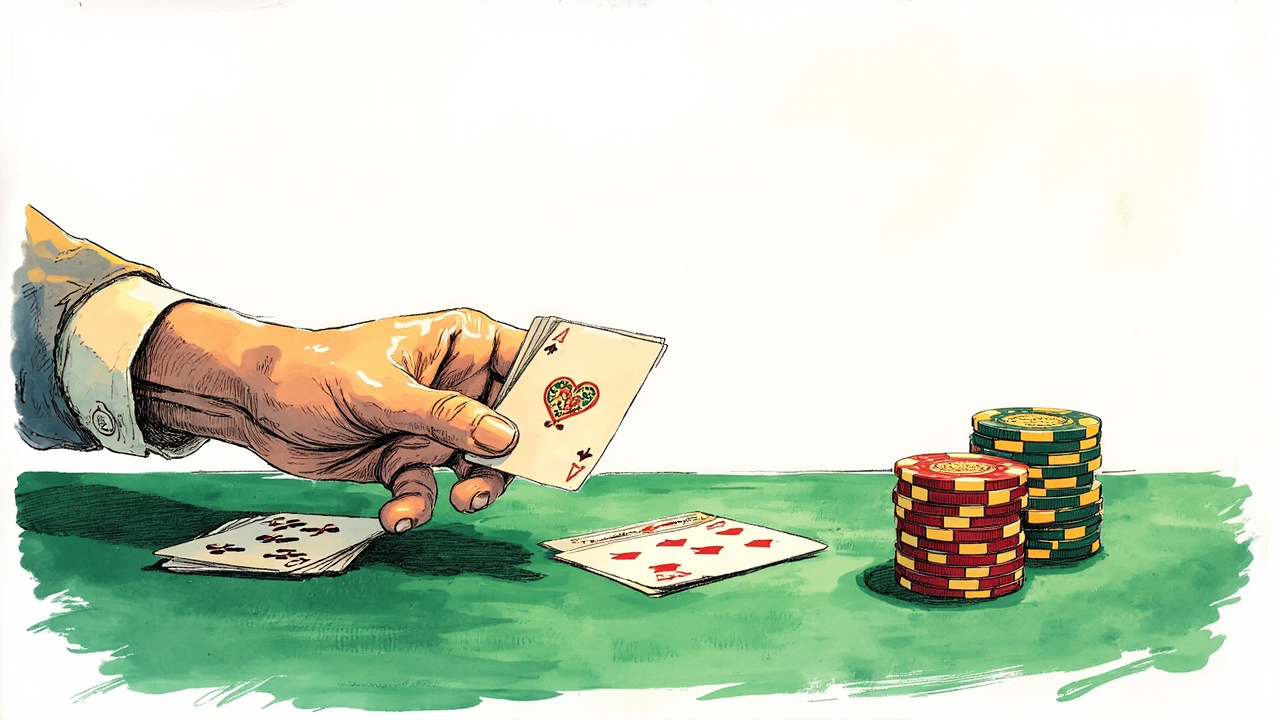
Game speed outsider-art-fair.com matters more than the headline numbers. A 96% RTP slot feels generous until you realise you’ve spun 1,200 times in 90 minutes and variance has eaten half. Live blackjack at Crown or The Star gives you roughly 80 hands in the same window – your exposure to short-term variance drops fifteenfold. Baccarat’s edge varies sharply: banker at 1.06%, player at 1.24%, tie at 14.4%.
Practical friction shapes the maths. KYC checks, withdrawal queues, and bonus terms with max-bet clauses chip into a winning session. A $100 bonus with a 35x bonus-only rollover means $3,500 in turnover, which sounds manageable until a $5 max-bet rule caps your clear rate to 700 spins. A casino games odds comparison is only as honest as the conditions you actually face.
A useful casino games odds comparison gives you a head start, but the maths ends when your finger hits spin or you sign for a bonus. Pick games with low single-digit house edges, scout the rule sheet, and treat every percentage as a long-run estimate rather than a guarantee. The players who read the conditions as carefully as the screen tend to come out ahead on average, more often than not.